Last updated:
Best Markets in Cayman Islands
The Cayman Islands offers several excellent markets where visitors discover local culture and products. The George Town Public Market stands as the most popular destination for shopping in Cayman Islands markets. Located in downtown George Town, this market brings together local vendors selling fresh produce, seafood, and handmade items every day.
The market operates in a modern facility that replaced the historic wooden structure. Vendors arrange colorful stalls filled with tropical fruits, vegetables, and fresh fish. You will find local specialties like breadfruit, plantains, and ackee fruit here. The atmosphere feels vibrant and authentic, reflecting true island life.
For a weekend experience, visit the Farmers Market at the Camana Bay Plaza. This newer market features local growers selling organic produce directly to customers. The setting feels more upscale and attracts health-conscious shoppers. You can sample products before buying them.
The West Bay markets offer a quieter shopping experience away from George Town crowds. Several small vendors operate along the main road, selling produce and crafts. These markets feel more intimate and local. Shopping here supports smaller businesses in the community.
PRO TIP: Visit markets early in the morning between 7:00 AM and 9:00 AM for the freshest selection and best prices. Vendors often reduce prices later in the day to sell remaining stock.
Local Food Markets in Cayman Islands

Food markets in the Cayman Islands showcase the island's rich culinary heritage. Fresh seafood dominates the offerings at most food stalls. You will see red snapper, grouper, mahi-mahi, and lobster on display. Local fishermen supply these items daily, ensuring quality and freshness.
The George Town Public Market features several seafood vendors with excellent reputations. These vendors clean and prepare fish while you wait. Many locals buy their weekly fish supply here. Prices remain reasonable compared to restaurants and grocery stores.
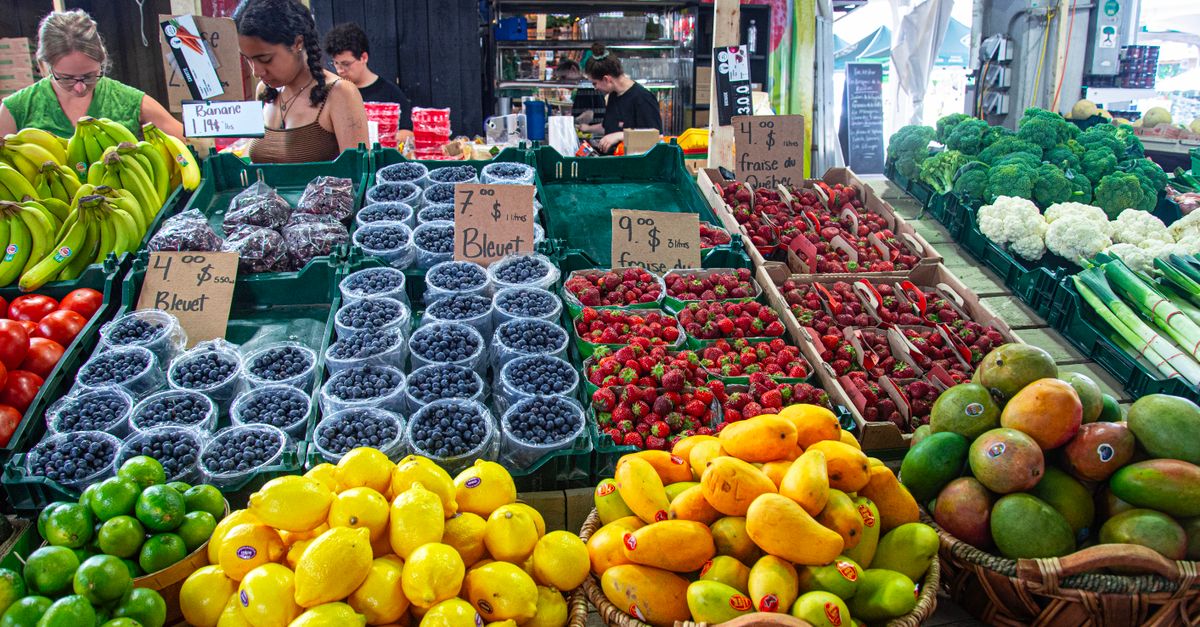
Tropical fruits fill the market stalls year-round. You will discover mangoes, papayas, coconuts, and passion fruit. Banana varieties include the common yellow banana and the smaller, sweeter apple banana. Local vendors explain how to select ripe fruit and suggest preparation methods.
The Farmers Market at Camana Bay emphasizes organic and locally-grown products. Vendors grow vegetables without harmful chemicals. The selection changes seasonally, reflecting what grows naturally on the island. Shopping here supports sustainable farming practices in the Cayman Islands.
Spice vendors sell fresh herbs and seasonings unique to Caribbean cooking. You can purchase cilantro, scallions, and thyme in generous bundles. Local pepper varieties add authentic flavor to dishes. These fresh ingredients cost much less than packaged spices at supermarkets.
Craft and Souvenir Shopping
Cayman Islands artisans create beautiful handmade crafts reflecting island culture. Local artists work with natural materials like wood, coral, and sea glass. These items make authentic souvenirs that support local craftspeople. Shopping for crafts helps preserve traditional Caymanian arts.
The Heritage Arts Gallery in George Town showcases work by established local artists. The gallery features paintings, sculptures, and mixed media pieces. Many pieces depict island landscapes, marine life, and cultural scenes. Prices range from affordable to premium depending on the artist and medium.
Craft stalls line the Cayman Islands Museum gift shop and surrounding downtown areas. Vendors sell woven baskets, ceramic pieces, and jewelry. Sea turtle designs appear frequently in jewelry and decorative items. These pieces celebrate the island's marine environment.
Cayman Craft Company operates shops selling locally-made products and gifts. The selection includes hand-painted items, wood crafts, and souvenir clothing. Staff members can explain the story behind each item. Shopping here guarantees authentic local production.
The Stingray City gift shops near the famous marine attraction sell unique souvenirs. Items feature stingray imagery and island themes. While these items cater to tourists, they make fun reminders of water activities. Prices here run higher than market stalls.
PRO TIP: Negotiate prices at craft markets and street vendor stalls. Many sellers expect friendly haggling, especially for multiple items. Asking "Is this your best price?" often results in discounts, particularly in the afternoon.
Where To Find Craft Markets
Downtown George Town contains the highest concentration of craft shops and galleries. The area around Fort Street and Cardinal Avenue features numerous boutiques and artisan stores. Walking tours help visitors discover hidden craft shops. Many small galleries operate in historic buildings downtown.
The Cayman Islands Museum gift shop offers authentic crafts curated by staff members. The museum location provides context about Caymanian history and culture. Shopping here directly supports the museum's educational mission.
Where To Buy Local Products

Local supermarkets stock Caymanian-made products alongside international brands. Foster's Food Fair operates multiple locations across the island. John Gray High School area has several supermarkets serving the community. These stores offer convenience combined with local product availability.
Cayman Islands Sea Salt comes from local producers who harvest salt using traditional methods. This product appears in specialty shops and gift stores. The salt enhances any kitchen and represents island food culture. Visitors purchase it frequently as a practical souvenir.
Local honey producers make raw honey sold at farmers markets and specialty shops. Caymanian bees create honey with unique flavors reflecting island flowers. Health-conscious shoppers appreciate raw, unprocessed honey. Support small beekeeping businesses by buying local honey.
Cayman Islands Hot Sauce and pepper products appear in specialty food sections. Local manufacturers create spice blends reflecting Caribbean flavors. These bottled products travel well and share island cuisine with friends back home. Several brands operate production facilities on the island.
Art galleries throughout George Town sell paintings and sculptures by local artists. The Gallery at Camana Bay features rotating exhibitions of island artists. Purchasing art directly from galleries ensures authenticity and supports creators fairly. Prices vary widely based on artist reputation and medium.
Duty-Free Shopping Areas
The Cayman Islands designates George Town as a duty-free port. Visitors enjoy tax advantages when purchasing luxury goods, electronics, and jewelry. Designer boutiques line the downtown streets offering high-end products. Compare prices with your home country before purchasing to confirm savings.
Jewelry shops concentrate along Fort Street in downtown George Town. Stores sell diamonds, gold, and precious gems at competitive prices. Many shops offer certificate of authenticity for valuable purchases. Ask about warranty and return policies before buying expensive items.
Electronics stores offer competitive pricing on cameras, computers, and mobile devices. However, verify that purchases work with your home country's electrical standards. Some specialty electronics may not function internationally.
Shopping Hours and Tips
Most shops in downtown George Town open at 9:00 AM and close at 5:00 PM on weekdays. Saturday hours typically run from 9:00 AM to 1:00 PM or 2:00 PM. Many stores close on Sundays, though some tourist-oriented shops remain open. Confirm hours before visiting specific stores.
Markets operate on different schedules than retail shops. The George Town Public Market opens early around 6:00 AM and closes by 3:00 PM. The Farmers Market at Camana Bay operates Saturday mornings from 9:00 AM to 1:00 PM. Shopping early ensures the best selection and freshest products.
Bank holidays affect shopping hours across the island. During holidays, many businesses reduce hours or close entirely. Check the local calendar before planning shopping trips. Christmas, New Year, and Easter see adjusted schedules.
Bring reusable bags when shopping at markets and grocery stores. Many vendors no longer provide plastic bags due to environmental concerns. Cash works better than credit cards at market stalls and small shops. ATMs appear throughout George Town for easy cash withdrawal.
Respect vendor preferences about photography. Some vendors object to having their stalls photographed. Always ask permission before taking pictures of people or their merchandise. This courtesy maintains positive relationships with local business owners.
PRO TIP: Thursday evenings bring extended shopping hours to downtown George Town shops. Many retailers stay open until 8:00 PM or 9:00 PM on Thursdays. This night shopping tradition feels festive and relaxed, perfect for leisurely browsing without daytime crowds.
What To Buy in Cayman Islands
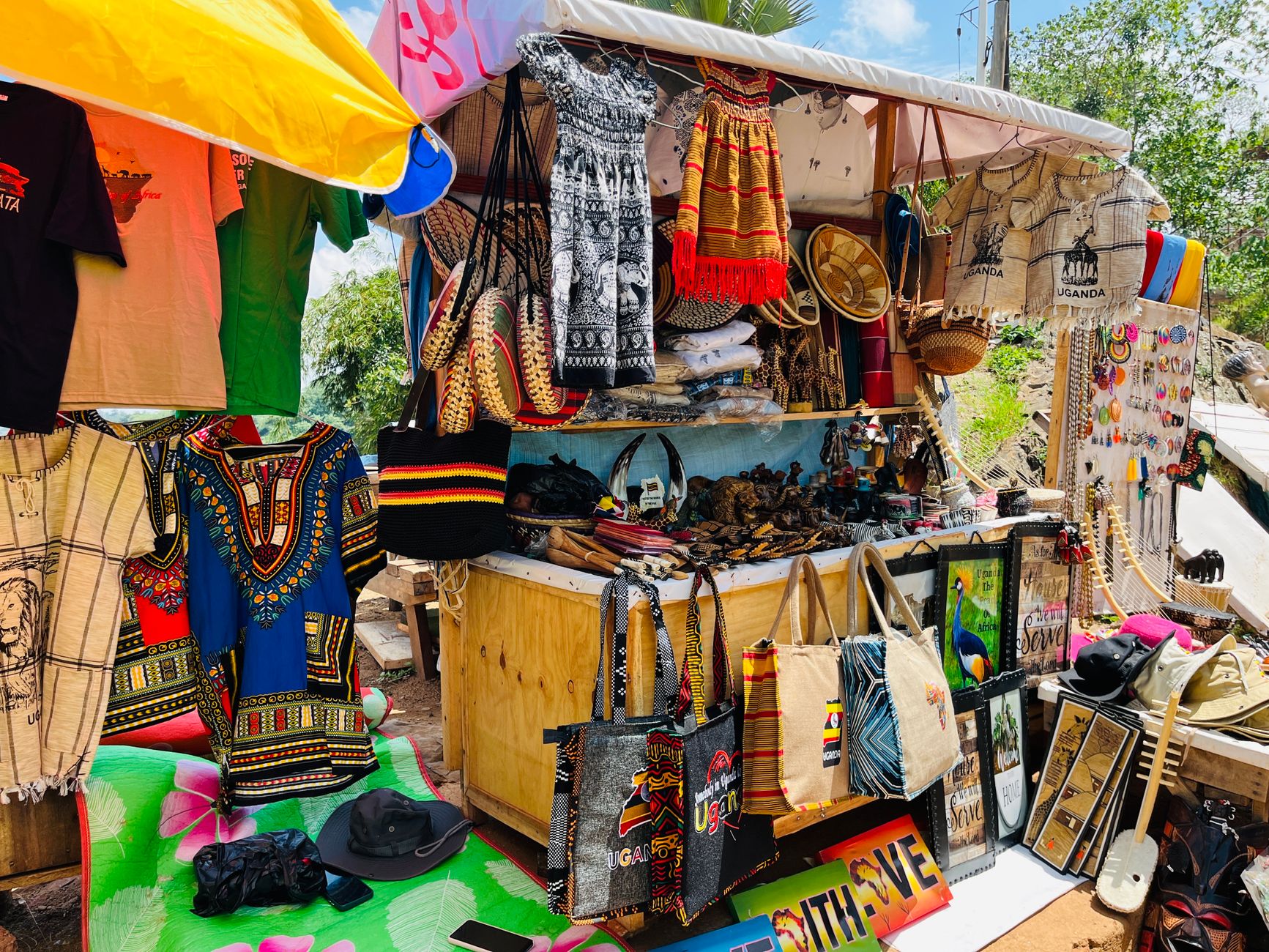
Cayman Islands has distinctive items that make excellent souvenirs and gifts. Sea turtle products represent the most iconic island imagery. Hand-painted sea turtle artwork, jewelry, and decorative items appear in shops throughout the island. However, ensure products use sustainable materials and avoid endangered species.
Rum and spirits reflect Caribbean culture and make popular gifts. Cayman Islands Rum Company produces locally-made rum sold in duty-free shops. The product travels well and interests spirits enthusiasts. Bottles feature attractive labels suitable for gift giving.
Caymanian cookbooks share island recipes and food traditions. Several books feature traditional dishes and modern interpretations. These guides help visitors recreate island flavors at home. Authors often donate portions of sales to local charities.
Woven baskets and placemats showcase traditional Caymanian craftsmanship. Artisans create these items from natural fibers using time-honored techniques. Each piece reflects individual creativity and skill. Prices remain affordable compared to mass-produced home goods.
Conch shells and pearl items celebrate the island's marine heritage. However, confirm that any shell or pearl products do not endanger protected species. Certified sustainable options exist and support conservation efforts. Ask vendors about sourcing before purchasing marine products.
Unique Cayman Islands Products
Cayman Islands honey appears in various floral types depending on blooming seasons. Raw honey retains nutrients and enzymes lost in processed varieties. Local producers sell honey at markets and specialty shops. The product supports local beekeeping and sustainable agriculture.
Cayman Islands Sea Salt offers mineral-rich flavor for cooking. The harvesting process preserves beneficial minerals found in seawater. Gourmet cooks appreciate the quality difference in local sea salt. Small containers fit easily in luggage for travelers.
Locally-made jewelry features silver, gold, and gemstones. Artisan jewelers create unique pieces not found in chain stores. Each item tells a story through its design and craftsmanship. Supporting local jewelers ensures fair wages and sustainable practices.
Frequently Asked Questions
Do I Need a Visa To Shop in the Cayman Islands?
Most travelers do not require a visa for the Cayman Islands, as it is a British Overseas Territory. Citizens of the United States, United Kingdom, Canada, and European Union countries typically enter visa-free. However, you must present a valid passport and may need to show an onward ticket and proof of funds. Entry follows United Kingdom territory tourism rules. Check your specific country's requirements at the British Foreign Office website before traveling to ensure smooth entry.
What Is the Best Time To Visit Cayman Islands Markets?
Visit between November and April for the best weather and market selection. Temperatures average 28°C (82°F) during these months, making outdoor shopping comfortable. This period coincides with the dry season when fewer rainy days interrupt shopping plans. However, tourist crowds increase during December and January holidays. For quieter markets with good selection, consider November, February, or March. Summer months bring occasional rain but lighter crowds and fewer tourists competing for items.
What Currency Should I Bring for Shopping?
The Cayman Islands Dollar (KYD) is the official currency, with one dollar equaling approximately 1.20 US dollars. Most shops in downtown George Town accept US dollars and credit cards. However, market vendors prefer Cayman Islands Dollars and often do not accept cards. Withdraw local currency from ATMs throughout George Town for market shopping. Bring a mix of small bills and coins for purchases at stalls. Credit card companies often offer better exchange rates than currency exchange services.
Are There Supermarkets for Everyday Shopping Needs?
Yes, several supermarkets operate across the Cayman Islands offering groceries and everyday items. Foster's Food Fair operates multiple locations and stocks both local and imported products. Other grocery chains serve various neighborhoods. These stores offer better selection than markets for packaged goods and international brands. However, markets provide fresher produce and better prices for fruits, vegetables, and seafood. Most supermarkets accept credit cards, making them convenient for visitors without local currency.
Can I Bargain Prices at Markets and Shops?
Friendly negotiation is expected at market stalls and craft vendors, particularly for multiple items or bundle purchases. Starting your offer at 10 to 15 percent below the asking price opens negotiation room. However, prices at established shops and supermarkets are fixed. Afternoon shopping sometimes yields discounts as vendors prepare to close. Building rapport with vendors through polite conversation often results in better pricing. Never pressure vendors aggressively, as the goal is respectful cultural exchange rather than exploitation.