Last updated:
Best Dive Sites in Cayman Islands
The Cayman Islands offer world-class Cayman Islands scuba diving experiences. Three islands make up this Caribbean destination: Grand Cayman, Cayman Brac, and Little Cayman. Each location features exceptional dive sites. Grand Cayman alone has over 365 dive sites. The variety keeps divers returning year after year.
The Three Sisters reef system stands out for its dramatic formations. Divers explore three parallel ridges that drop into deep water. Coral structures here date back centuries. Fish species swarm around the formations constantly. The site suits intermediate to advanced divers well.
Eagle Ray Pass in Grand Cayman attracts divers seeking larger marine life. Eagle rays glide through the sandy channels regularly. The site name comes from these graceful creatures. Visibility reaches 100 feet on good days. The pass creates natural currents that attract pelagic fish.
Cemetery Reef offers another popular destination for intermediate divers. The reef sits close to shore in George Town. Divers find colorful coral formations and abundant fish life. Shallow water makes safety decompression stops simple. Night dives here reveal nocturnal creatures rarely seen during day.
Cayman Brac provides exceptional diving on the island's east wall. The Cayman Brac wall drops dramatically from shallow reef. Divers descend past sponges and coral-covered rock formations. Large groupers and snappers patrol the deeper sections. The wall offers dives for multiple skill levels on one site.
Grand Cayman's Top Dives
The North Wall of Grand Cayman delivers consistent excellence. Multiple entry points allow dives of varying difficulty. The wall features healthy coral growth and abundant fish species. Visibility stays excellent throughout the year. Boat dives reach the North Wall in minutes from town.
Barracuda Alley earned its name from resident barracuda populations. These silver-striped fish hover near divers with curiosity. The site sits in shallow water near Bodden Town. Snorkelers and divers share this location easily. Early morning dives produce the most barracuda sightings.
Little Cayman and Cayman Brac Diving
Bloody Bay Marine Park surrounds Little Cayman's northern shore. The marine park protects pristine reef systems from development. Divers enjoy untouched coral formations and diverse fish species. Access requires boat transportation from the dock. The park maintains strict regulations that preserve the reef health.
Scuba Diving for Beginners in Cayman Islands

Beginning divers find excellent instruction throughout the Cayman Islands. Multiple dive shops offer certification courses for all levels. The warm water and calm reef areas suit new divers perfectly. Entry-level divers should start with shallow reef dives. Most beginners complete their first dive within 40 feet of water.
The Cayman Islands follows international diving standards for certification. Instructors hold certifications from PADI, SSI, or similar organizations. A basic Open Water course takes three to four days. Students learn in confined water first, then move to open reef. Classroom sessions cover safety, equipment, and underwater communication.
Shallow reef dives provide the safest introduction to Cayman Islands scuba diving. Sites like Cemetery Reef and Eden Rock offer protected shallow water. These locations feature abundant marine life in safe conditions. Instructors stay close to beginners throughout the dive. Maximum depths for beginners usually stay between 30 and 40 feet.
Discover Scuba programs allow non-certified visitors to dive with instructors. These programs require no prior certification or experience. Participants complete basic training in the morning. The afternoon brings a supervised shallow water dive. The experience often leads beginners toward full certification courses.
Equipment rental costs money, so bring your own mask and fins if possible. Rental shops provide tanks, regulators, and buoyancy vests. Most dive shops include equipment in course packages. Beginners often rent equipment until they invest in personal gear. Many newcomers purchase basic equipment before their second visit.
PRO TIP: Book your certification course before arriving. This lets you dive multiple times after certification during your stay. Many travelers combine certification courses with vacation days perfectly.
Snorkeling in Cayman Islands
Snorkeling offers amazing reef viewing without diving certification requirements. The shallow reefs around all three islands suit snorkelers perfectly. Warm water and excellent visibility make the experience enjoyable for everyone. Rental equipment is available at every beach and hotel.
Seven Mile Beach on Grand Cayman provides excellent snorkeling opportunities. The beach stretches along George Town's western coast. Shallow reefs sit just 50 yards from the shore. Colorful fish schools swarm among coral formations visible from the surface. The beach offers rentals, food, and facilities throughout.
Stingray City attracts snorkelers seeking unique marine encounters. A shallow sandbar in North Sound hosts dozens of stingrays. These gentle creatures allow close interaction in their natural habitat. Guided tours depart regularly from the dock. The experience remains one of the Cayman Islands' most popular activities.
Eden Rock sits in downtown George Town near the cruise docks. This small beach provides immediate access to dramatic reef formations. The rocky entrance leads to stunning underwater formations. Snorkelers see hundreds of tropical fish within minutes. The location suits casual visitors and families with young children.
Coral Gardens near Bodden Town offers protected snorkeling in shallow water. The site features thriving coral formations and abundant fish species. Strong currents rarely affect this sheltered location. Families with small children find this area very comfortable. Local guides operate tours throughout the day.
Bring reef-safe sunscreen to protect both your skin and marine life. Regular sunscreen harms coral ecosystems permanently. The Cayman Islands banned toxic sunscreen ingredients years ago. Reef-safe options are widely available in shops and hotels. Apply sunscreen 15 minutes before entering the water.
PRO TIP: Visit snorkel sites early in the morning before cruise ships arrive. Early visits guarantee smaller crowds and better photo opportunities.
Dive Schools and Operators
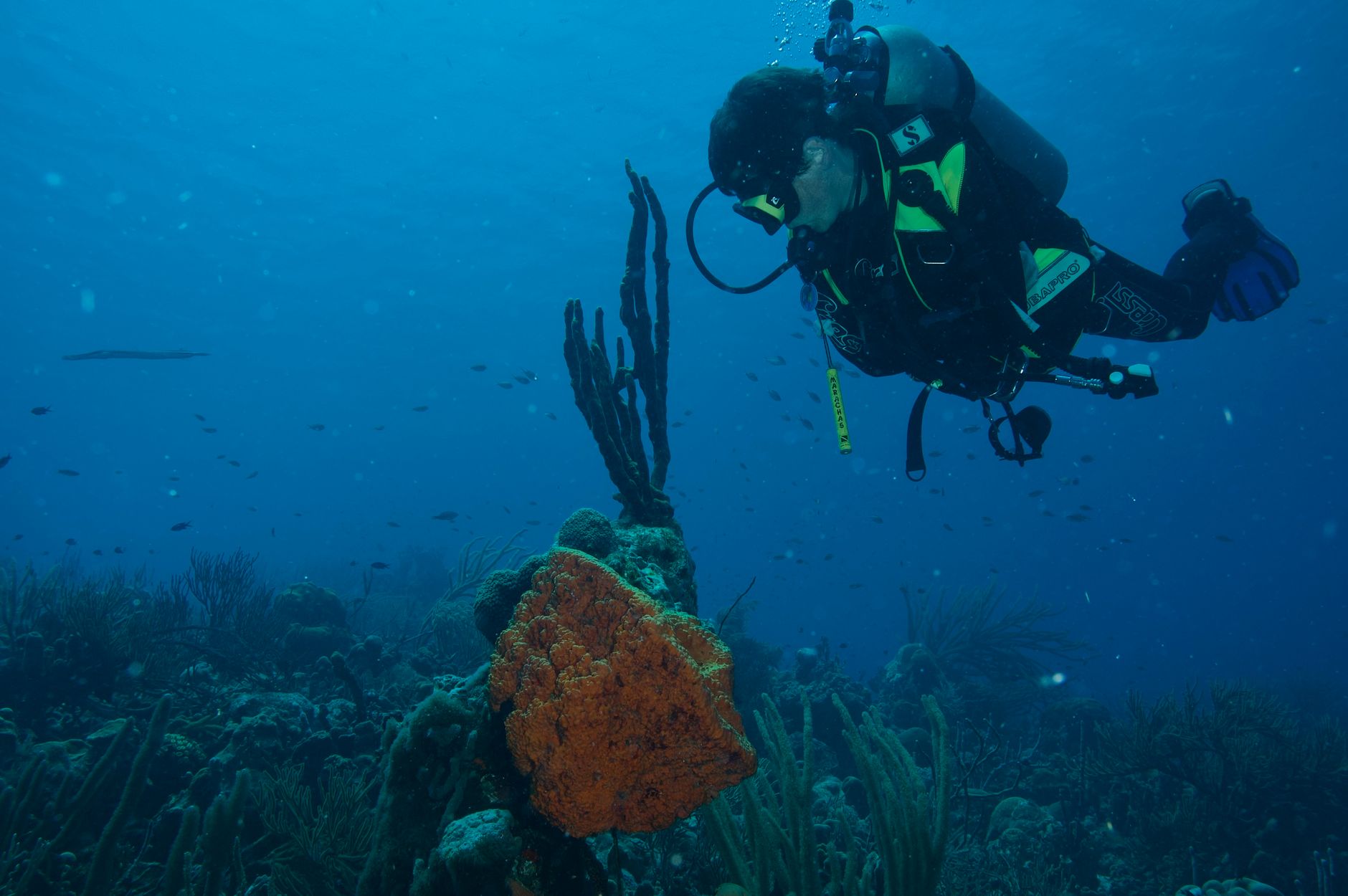
Multiple dive operators provide professional services across the Cayman Islands. The Tourism Board maintains strict standards for all operators. Most dive shops offer daily boat dives and certification courses. Professional instructors ensure safe, enjoyable diving experiences. Book dives in advance during high season months.
Dive operators on Grand Cayman operate from George Town and Seven Mile Beach. The most established operators have 20+ years in business. They maintain modern boats with safety equipment and communication systems. Daily dives typically depart at 8 AM and 1 PM. Two-tank morning dives are standard offerings.
Little Cayman's dive operations focus on smaller group experiences. Island-based operators provide personalized attention for every diver. Boats depart directly from the island's main dock. Limited diver numbers protect the delicate reef ecosystems. Accommodations often include dive packages for multi-day stays.
Cayman Brac operators specialize in wall diving and advanced experiences. The east wall provides dramatic dives requiring intermediate skills. Operators guide divers safely along the wall formations. Small group sizes allow personalized instruction and photography assistance. Resort packages combine lodging with daily dive operations.
Dive shops provide rental equipment meeting international safety standards. Tanks receive annual inspections and certifications. Regulators undergo servicing between every five dives. Buoyancy vests have current inspection tags. Wetsuits range from thin to thick options depending on diver preference.
What To Expect From Dive Operations
Professional dive briefings precede every dive trip. Instructors explain the dive site, currents, and potential wildlife. Safety protocols receive emphasis at the beginning of each briefing. Divers ask questions before entering the water. The briefing ensures everyone understands the dive plan.
Small group dives provide better experiences than massive group dives. Operators limit groups to six to eight divers per guide. This ratio ensures proper supervision and individual attention. Larger groups move faster but provide less personalized service. Choose operators with reasonable group size limits.
Dive shops operate year-round with consistent quality and service. Experienced crews know the reefs intimately. Staff members often have 10+ years diving the local reefs. They share knowledge about fish behavior and seasonal changes. Building relationships with operators leads to better dive experiences.
What You Will See Underwater
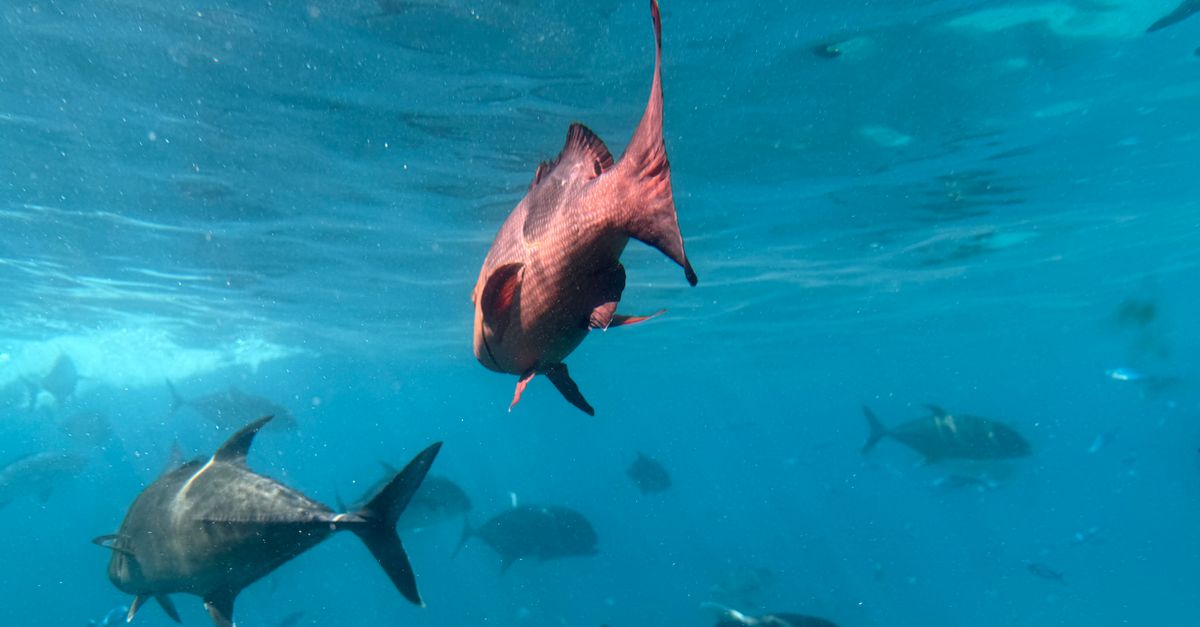
The Cayman Islands reefs host over 500 fish species. Divers encounter colorful reef fish at nearly every site. Parrotfish, angelfish, and damselfish schools fill the water column. Groupers hide in coral crevices waiting for prey. Large predators like jacks hunt in open water regularly.
Coral formations create the reef foundation supporting all marine life. Brain coral, elkhorn, and staghorn corals dominate the landscape. These structures grow slowly, taking decades to develop. Some coral formations are hundreds of years old. Healthy reefs require protection from anchors and careless divers.
Sea turtles appear regularly on deeper dives and wall explorations. Green sea turtles cruise through open water gracefully. Hawksbill turtles graze on sponges and coral polyps. Encounters with turtles create unforgettable diving memories. Photography opportunities multiply when turtles appear in the area.
Moray eels shelter in reef crevices and rocky formations. These docile creatures rarely bite unless provoked. Green and spotted morays are the most common species. Divers spot them peeking from hiding spots with careful observation. Morning dives increase the likelihood of eel sightings.
Rays glide through sandy channels between coral formations. Southern stingrays dig in sand searching for invertebrates. Eagle rays soar through open water with wing-like movements. Spotted eagle rays appear seasonally in certain locations. Rays typically ignore divers unless harassed or threatened.
Octopuses and squid display remarkable intelligence and color changes. Night dives increase the chances of encountering these creatures. Octopuses hunt at night when smaller prey items emerge. Squid schools perform coordinated hunting maneuvers. Macro photography captures their intricate behaviors and textures.
Sponges in various colors and shapes cover healthy reefs. Barrel sponges provide hiding places for small fish species. Tube sponges filter feed on microscopic organisms. Sponge diversity increases on wall dives and deeper sites. Photographers find endless subjects in sponge formations.
Best Time To Dive in Cayman Islands

November through April offers the best Cayman Islands scuba diving conditions. During these winter months, water temperatures average 26 to 27 degrees Celsius. Visibility typically exceeds 100 feet on calm days. Trade winds remain lighter, creating calmer water conditions. Most divers visit during this peak season period.
December and January bring the coldest water temperatures of the season. Temperatures drop to approximately 25 degrees Celsius. Tropical fish remain abundant despite cooler conditions. Winter swells can affect the North Wall occasionally. Sheltered south shore sites remain calm even during windy periods.
February and March deliver consistently excellent diving conditions. Water warms slightly, reaching 26 degrees Celsius. Calm seas become more frequent during these months. Visibility remains exceptional with minimal sediment in the water. Spring break travelers often visit during this period.
April marks the tail end of peak season before summer arrives. Warm water temperatures begin climbing toward 27 degrees Celsius. Humidity increases but weather remains generally stable. Fewer tourists visit during April, reducing crowded dive sites. Last-minute bookings often find availability in April.
May through October brings the summer and fall seasons. Water temperatures climb to 28 to 29 degrees Celsius. Humidity increases and occasional tropical storms occur. Hurricane season officially runs June through November. Many dive shops maintain reduced schedules during this period.
Visibility can drop to 50 feet during summer months due to plankton blooms. Afternoon rains stir up sediment near coastal areas. Deeper sites maintain better visibility than shallow reefs. Diving remains possible year-round despite less-ideal conditions. Summer offers lower prices and fewer crowds for budget-conscious divers.
PRO TIP: Visit in April or May for shoulder season advantages. You'll enjoy good conditions with smaller crowds and lower prices than winter months.
Frequently Asked Questions
Do I Need a Diving Certification To Dive in the Cayman Islands?
Yes, most dive operators require either a certification card or a guided discovery dive experience. If you lack certification, you can take a Discover Scuba course combining classroom work with a supervised shallow dive. This typically takes one to two days and allows you to experience diving safely. Full certification courses take three to four days and enable independent diving for life. Many non-certified travelers complete certification courses during vacation stays.
What Is the Water Temperature in the Cayman Islands?
Water temperatures range from 25 degrees Celsius in January to 29 degrees Celsius in August. Winter months (November through April) offer cooler but still comfortable diving temperatures around 26 to 27 degrees Celsius. Most divers wear thin wetsuits of 3mm thickness year-round. Some visitors prefer thicker wetsuits in winter months. Water temperature remains warm enough for diving comfort throughout the year without excessive exposure protection.
How Much Does Scuba Diving Cost in the Cayman Islands?
Dive prices vary based on dive type, location, and operator selection. Boat dives typically cost more than shore dives. Certification courses represent a larger investment than recreational dives. Equipment rental adds to total expenses. Package deals combining multiple dives reduce per-dive costs. Budget travelers should compare prices among multiple operators before booking.
Are the Cayman Islands Safe for Diving?
Yes, the Cayman Islands maintain excellent safety records for diving operations. Professional standards and regulations ensure equipment maintenance and operator training. Dive operators follow strict safety protocols and guidelines. The Tourism Board regulates all commercial dive operations thoroughly. Experienced guides know the reefs and conditions intimately. Thousands of divers visit safely each year without incidents.
Can Snorkelers Access the Same Areas As Divers?
Many shallow reef sites accommodate both snorkelers and divers together. Deeper dive sites remain accessible only to certified divers with equipment. Boat trips often include both snorkelers and divers departing together. Snorkelers can view coral and fish in shallow water while divers explore deeper sections. Family groups mixing snorkelers and divers find many compatible activities and locations.